It is too early to know exactly how trade shows will perform in 2027. Yet exhibitors do not have to wait for a perfect forecast to make smart plans. The most useful trade show trends to watch in 2027 are the ones that help visitors solve a problem, justify their time and continue the conversation after the event. Here are six areas worth preparing for now.
1. Exhibits that show value quickly
Travel, registration and time away from work all compete for an attendee’s budget. Freeman’s research on people who do not attend found that many are making a deliberate value decision. If they cannot see how an event serves their professional goals, they may stay home.
For 2027, make the value of a booth visit easy to grasp. Lead with a clear promise: what can visitors compare, test, learn or decide in a few minutes? Put the answer near the aisle and support it with staff who know the product. Give your pre-show invitations a specific reason to meet, such as a hands-on preview or a short consultation.
2. More useful demonstrations, less passive spectacle
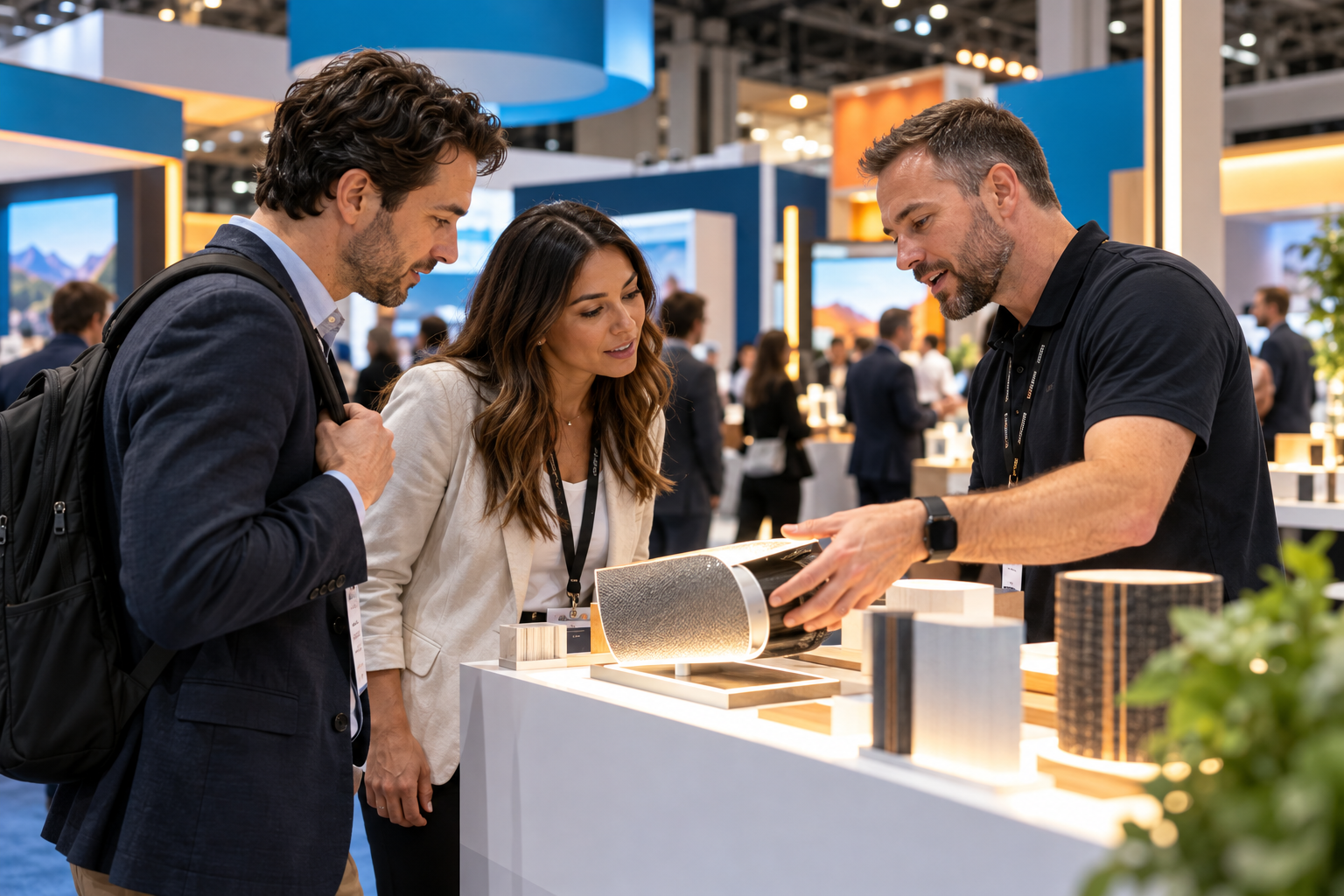
A large video wall can catch an eye, but a real demonstration often starts a better conversation. Freeman’s commerce research suggests attendees come to events with buying and business goals. That makes it sensible to let them handle a product, see a process or work through a relevant use case.
Design the demo for a short first encounter and an optional deeper discussion. Keep sightlines open. Leave enough room for people to gather without blocking the aisle. When a physical product is not practical, use a simple interactive comparison or a specialist-led walkthrough. Technology should make the offer easier to understand.
3. Flexible exhibit programs
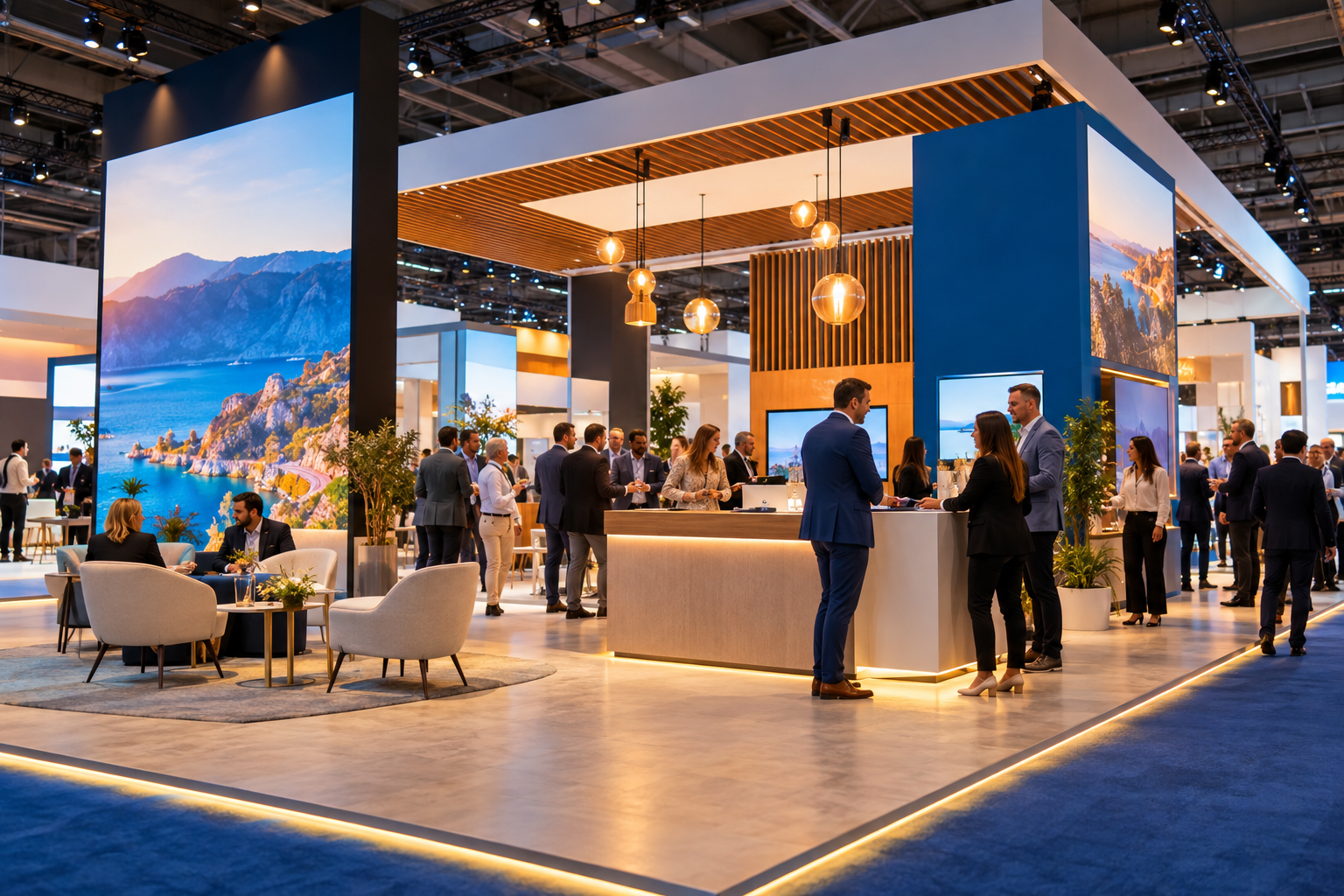
Planning with uncertainty does not require a bland booth. A modular or rental approach can give an exhibitor a consistent brand presence while adapting to different spaces and budgets. The same core components may support a small regional show, a larger launch and a meeting-focused event with different graphics or layouts.
In 2027, review your show calendar as a program rather than a set of unrelated booths. Which pieces can travel well? Which need to change for a specific audience? Consider shipping, storage, installation time, maintenance and reuse alongside the initial build price. Ask your exhibit partner to show the total cost across multiple events.
4. A clearer path from conversation to follow-up
Badge scans are easy to count. They do not explain what someone needs or what should happen next. Before the show, agree on a few useful lead categories and a simple note-taking process. Train staff to capture the problem discussed, the product of interest and the next action. Then assign an owner and a follow-up deadline.
This process can shape the booth itself. Provide a place for a quick introduction, a demo and a quieter meeting. Make it easy to book a follow-up while the visitor is still engaged. Review outcomes weeks after the show, not just at teardown. Qualified opportunities and customer progress tell a fuller story than foot traffic alone.
5. Experiences that support a goal
Freeman’s experience research makes a useful distinction: people do not attend for atmosphere alone. They want to learn, connect and find solutions. A memorable exhibit should make those goals easier to reach.
That might mean a focused product test, a well-hosted small-group discussion or a clear route to an expert. Accessibility and comfort also matter. Give visitors space to move, readable information and a way to take the key point with them. The best experience is the one that works for the audience you invited.
6. Measured optimism, backed by a plan
IAEE’s 2026 CEIR Index outlook projected growth for the U.S. B2B exhibition industry while identifying cost and travel risks. It did not promise identical results for every sector or show. That is a good frame for 2027 planning: prepare to seize opportunities, but keep a realistic budget and alternatives.
Choose shows based on audience fit and past results. Set a primary goal and a spending range for each. Reserve time for design, approvals, fabrication and testing. If costs change, know which features protect the visitor experience and which can be simplified. Early decisions usually leave more room for creative solutions.
Start with the visitor
The details of 2027 will come into focus over time. An exhibitor can act now by asking a simpler question: what should the right visitor be able to do at our booth that they could not do from a brochure? Build the space, staffing and follow-up around that answer. LAB Exhibits & Services can help plan a custom, modular or rental exhibit that fits your goals and your show calendar. Let’s talk about your next program.